The short answer
Inspectors probe the food in every cooler, and cold food has to be at 41°F or below. They also check thermometers, door gaskets, the ice bin, the dish machine, hand sinks and hot holding at 135°F or above. Walk the store with a probe thermometer a week out, and get anything that fails fixed while you still have time.
The FDA Food Code and your county
Missouri and Illinois both base their food rules on the FDA Food Code. Your city or county health department does the inspecting, and each one adds its own details. Read the current rules for your area once a year, and tell your managers what changed.
Then pull your last three to five inspection reports. Inspectors look hard at what was wrong last time. If a cooler was written up before, check it first.
Temperature, first and always
Food held at the wrong temperature is one of the most common findings in any inspection. Expect the inspector to probe food in every cooler. Here's what they look for:
- Cold food at 41°F or below in every walk-in, reach-in and prep table
- A thermometer inside each unit, where staff can read it
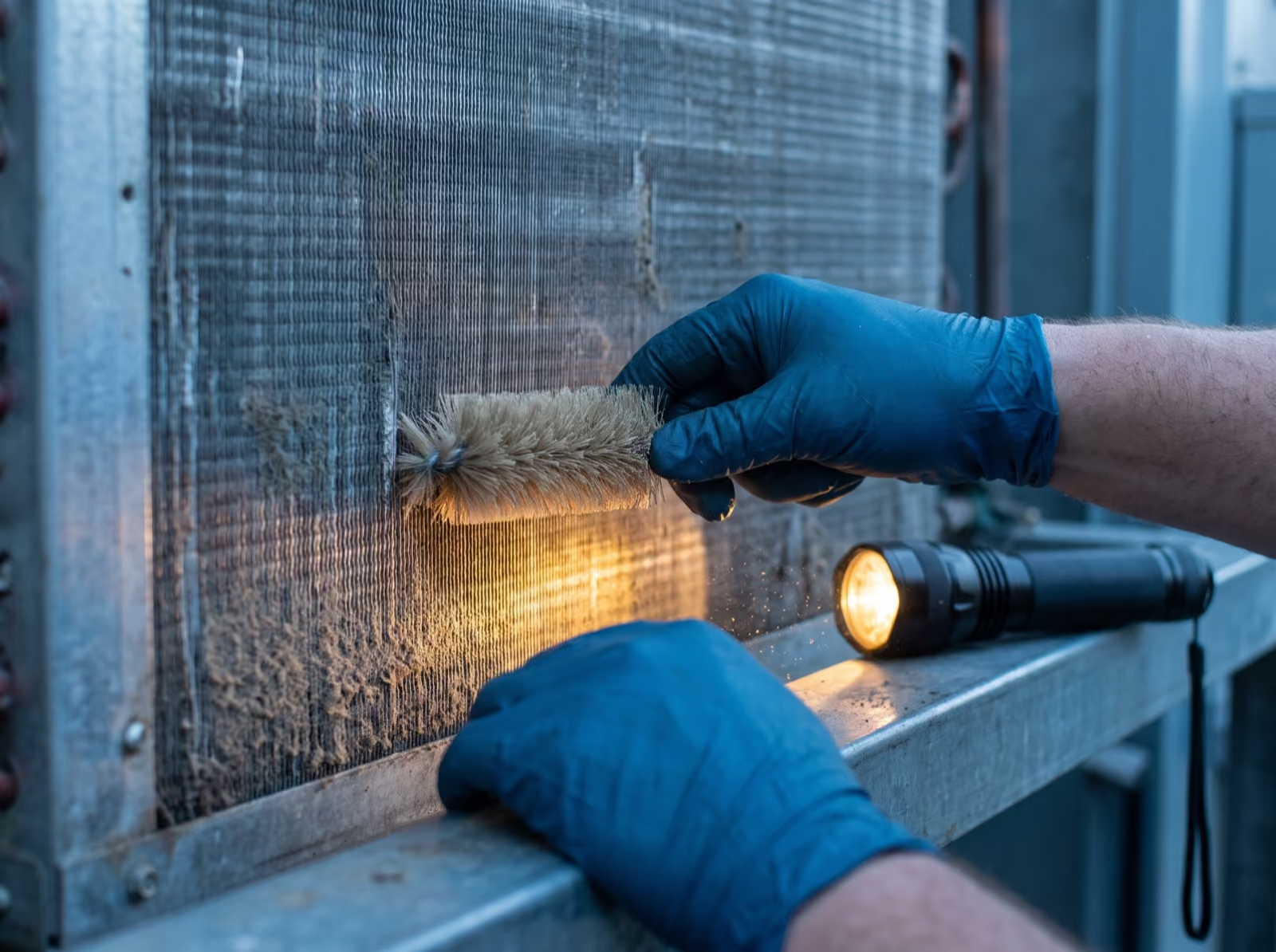
- Door gaskets that seal, with no rips, mold or gaps
- No ice building up on the coil or the freezer floor
- Clean shelves, and no food stored on the floor
A prep table that runs warm on the top rail is a common write-up. So is a reach-in that holds temperature until the doors swing open all through the rush. If a unit is close to the line, have it looked at now.
Want it checked before the inspector comes?
Old ones drift
Thermometers lose accuracy as they age. The inspector's will be new and calibrated. If yours reads 39°F and theirs reads 43°F, theirs wins.
Test your probe thermometers in a glass of ice water. A good one reads 32°F. Calibrate or replace any that don't. Replace the hanging thermometers in your coolers when they look worn. Then spot-check every unit with a probe in the food, since the air warms and cools faster than the food does.
Ice, dishes, sinks and the hot line
- Inspectors look inside the ice bin and at the chute for slime or mold. Ice is food, and the scoop belongs outside the ice.
- Your dish machine has to reach the temperature or sanitizer strength on its data plate. Keep test strips on hand and use them.
- Each hand sink needs hot and cold water, soap and paper towels, with nothing stacked in front of it.
- Hot food has to stay at 135°F or above, so steam tables and warmers have to keep up.
- Cracked surfaces, broken handles and taped-up parts can't be cleaned well, and they get written up.
Walk it front to back a week out
A week before you expect an inspection, walk the store with a probe thermometer and a notepad. Check every unit's temperature, gaskets and coil. Run the dish machine and test it. Check every hand sink. Look under and behind the equipment for grease and dust.
Write down what fails, and get it fixed while you still have time. A week out, a warm cooler is a repair. The morning of the inspection, it's a violation, and maybe a load of food in the dumpster.
More guides for managers
 Free guide
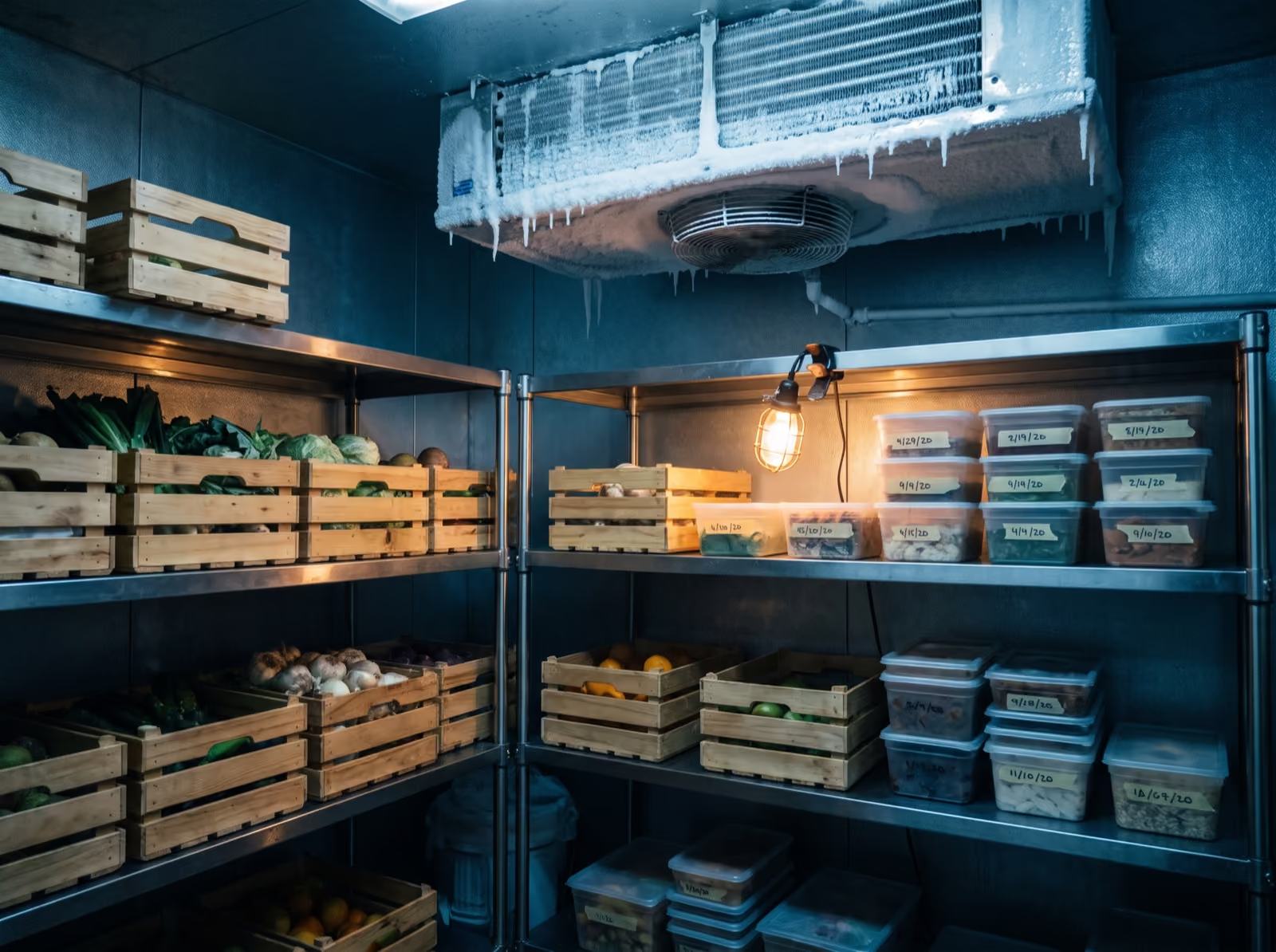
41°F and the four-hour clock: what to do when your walk-in runs warm
Cold food must stay at 41°F or below. Here's how to check your walk-in, what the four-hour clock means, and what to do first.
Read the guide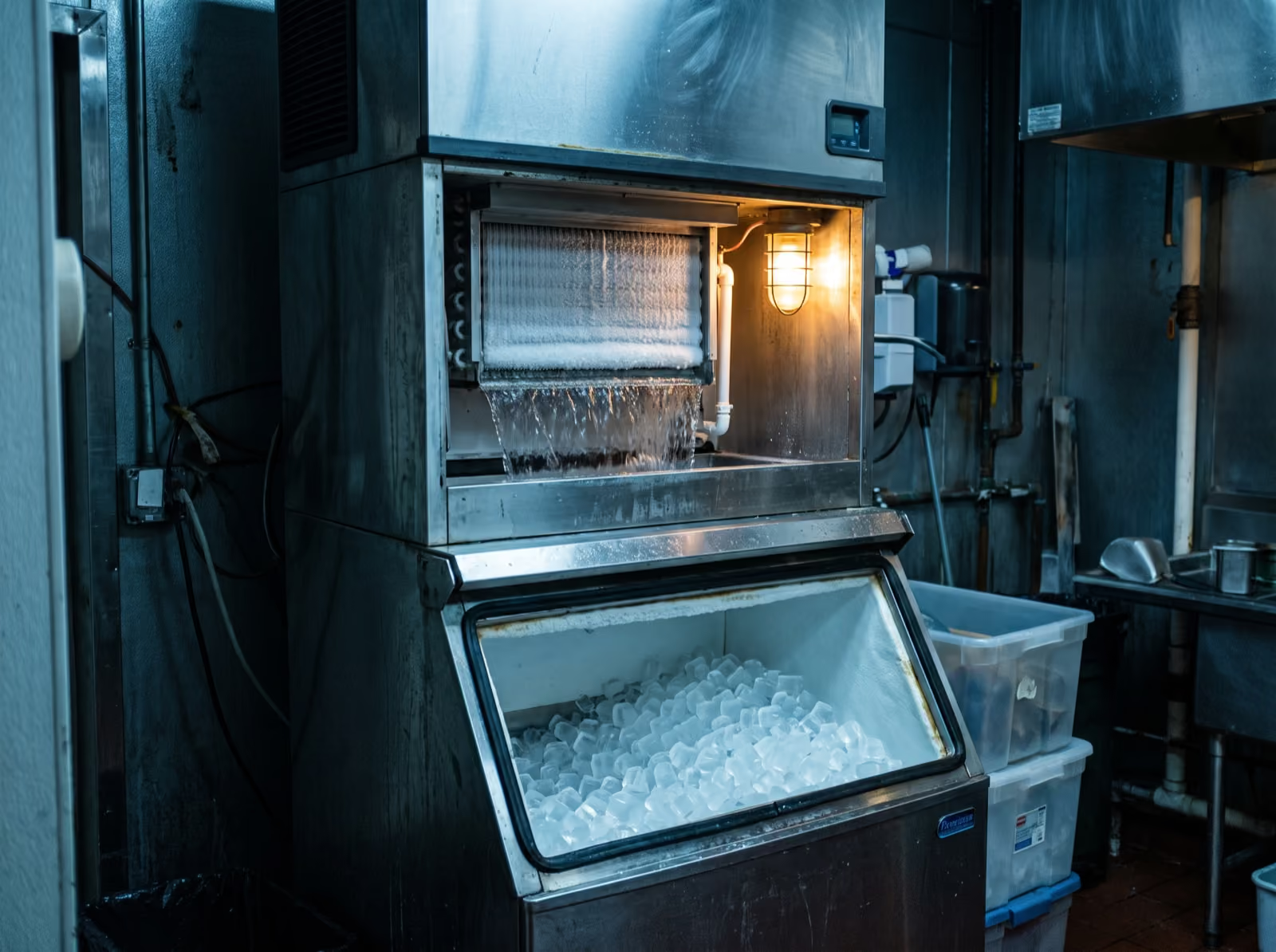 Free guide
A cleaning and descaling routine for your ice machine
A simple routine for a commercial ice machine: what staff do every shift, what you check each month, and when to descale and sanitize.
Read the guide
Get your equipment checked before the inspector does
A planned maintenance visit covers the checks that matter here. Coils get cleaned. Temperatures and gaskets get checked on every walk-in and reach-in. Ice machines get descaled and sanitized. See planned maintenance.
If a cooler is down right now, call (636) 327-8349. For an emergency, we're on site within four hours.