The short answer
Ask how old the unit is, whether it's under warranty, how often it has broken, what the repair costs next to a new one, whether you can still get parts and whether it's safe. A common rule of thumb says to replace it if the repair costs more than half the price of a new unit. If a repair can't make it safe, replace it.
Know how much life it has left
Every machine has a working life. Commercial refrigeration is often good for 10 to 15 years with care. Other equipment varies. A unit near the end of its range will need more help each year.
Find the data plate. It lists the model and serial number, and the serial number often tells you the year it was built. If the unit is near the end of its life, start planning a replacement now, before it picks the worst night for you.
Check before you pay
Many new units carry a parts warranty for the first year, and some cover the compressor longer. If the machine is still covered, repair it. Call the dealer or the manufacturer first, because the warranty may decide who does the work.
Keep the paperwork in one place. Many warranties also ask for proof of regular maintenance.
Need a straight answer on a repair?
Count the trips
One repair in five years is normal wear. Three repairs this year is a pattern. Each time it goes down, you pay for the visit, the part, and the lost sales or product.
Keep a record for every machine: the date, the problem, what was done and what it cost. When the same problem comes back after a repair, ask why. Sometimes the machine is worn out. Sometimes it was never fixed right in the first place.
A repair that holds changes the math. 98% of our calls are completed in one trip.
Use the half rule
Here's a common rule of thumb. If the repair costs more than half the price of a new unit, replace it.
Weigh the age too. Spending a third of the price on a unit with a year left is a poor deal. Spending the same on a five-year-old unit can be smart.
Count the hidden costs on both sides. A new unit means delivery, setup, maybe new wiring or gas lines, and a day without it. An old one means a bigger power bill and the risk of the next breakdown. Ask your utility about rebates on ENERGY STAR equipment. Ask your accountant whether new equipment brings a tax break.
Old machines get orphaned
Parts for older models get scarce, and some take weeks to come in. Ask how long a part will take before you approve a repair. A cheap part that takes three weeks can cost more in lost sales than a new unit.
Refrigeration has its own catch. Older units that run on R-22 refrigerant are harder to keep going, because R-22 is no longer made in the US. A big leak in one of those can be the end of it.
Two last checks
A gas smell, scorched wiring, a door that won't seal or a fryer that won't hold its set temperature is a safety problem. If a repair can't make it safe, replace it.
Then ask whether it still fits the job. A reach-in that was fine for your old menu may be too small now. If your crew is running it hard to keep up, a bigger unit may fix two problems at once.
More guides for managers
 Free guide
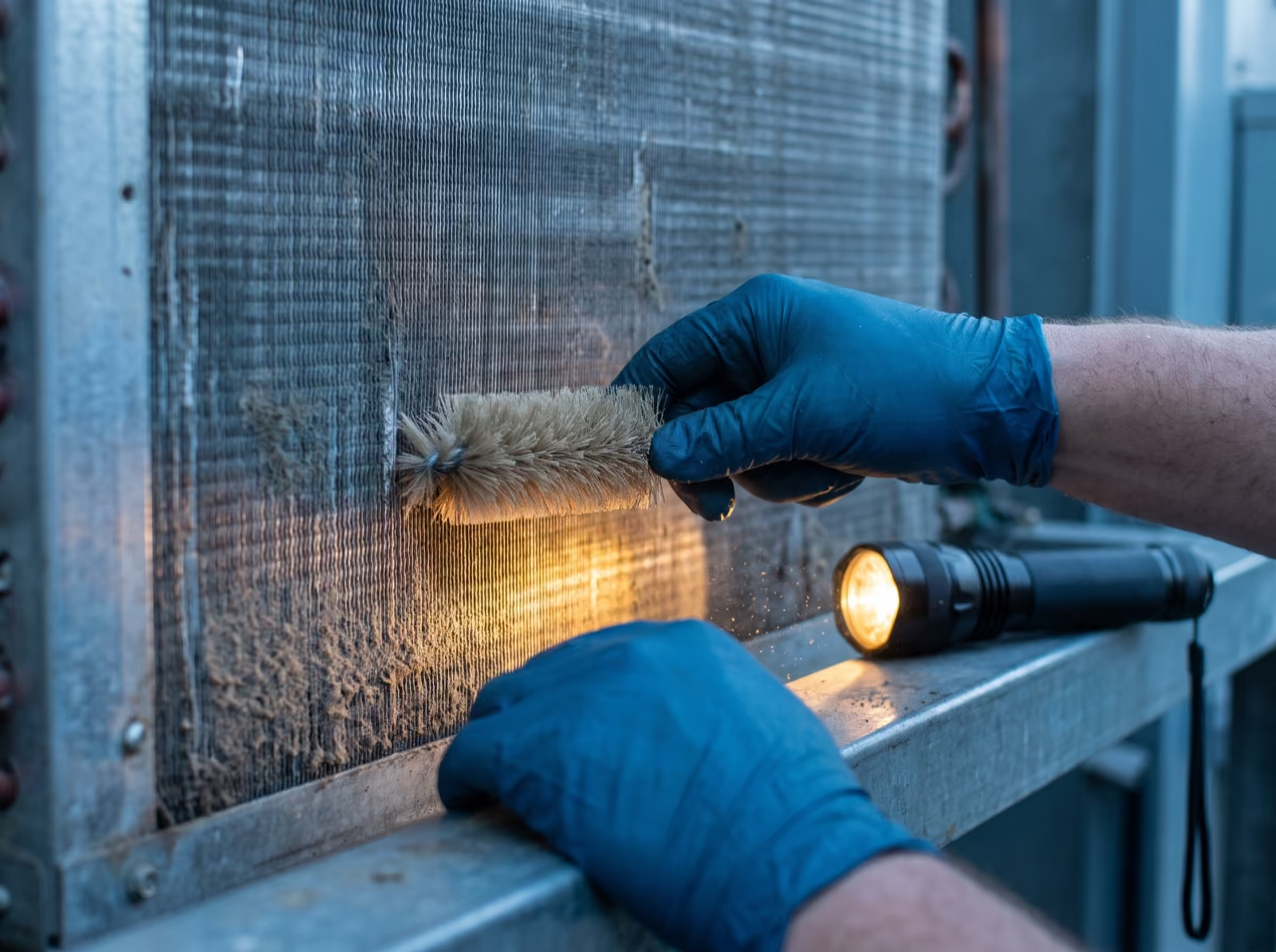
Questions to ask a restaurant equipment repair company
A vetting checklist for facilities directors: what to ask a restaurant equipment repair company before it joins your vendor list.
Read the guide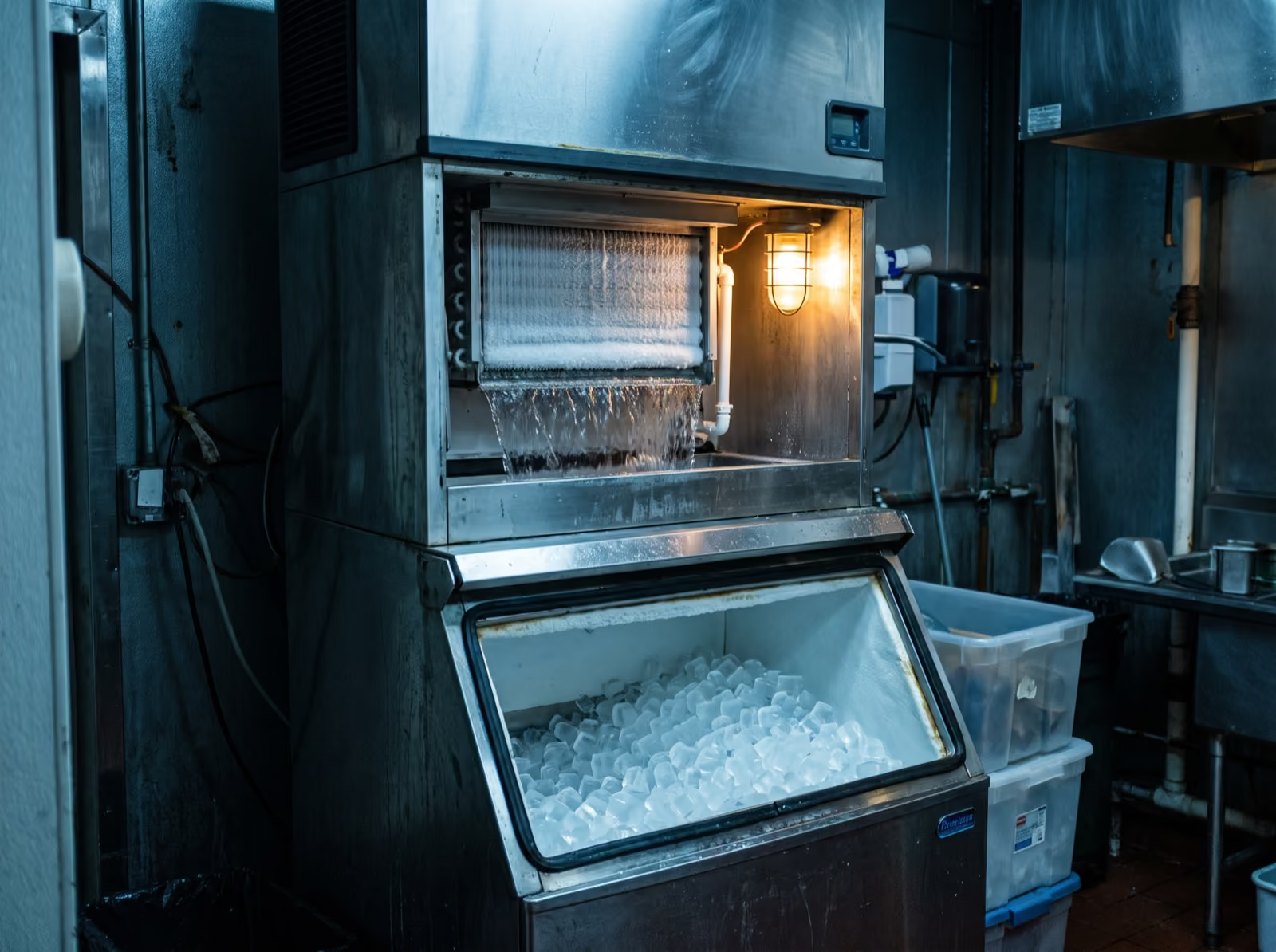 Free guide
Fryer care that prevents a service call
Daily fryer care, oil changes, boil-outs and the signs your commercial fryer needs a technician before it goes down.
Read the guide
Get a straight answer from a technician
We repair fryers, ovens, grills, steamers, walk-ins and reach-ins across the St. Louis Metro and Columbia. Our technician will tell you plainly whether a repair is worth it, so you can decide with the facts in hand. See kitchen equipment repair.
If it's down now, call (636) 327-8349. For an emergency, we're on site within four hours.