The short answer
Preventive maintenance is work done on a machine that still runs, to lower the chance it fails. Planned maintenance puts that work on a calendar, store by store, so it happens whether anyone remembers or not. A restaurant group needs both: the right checks, done on a schedule, with a record of each visit.
Work done before it breaks
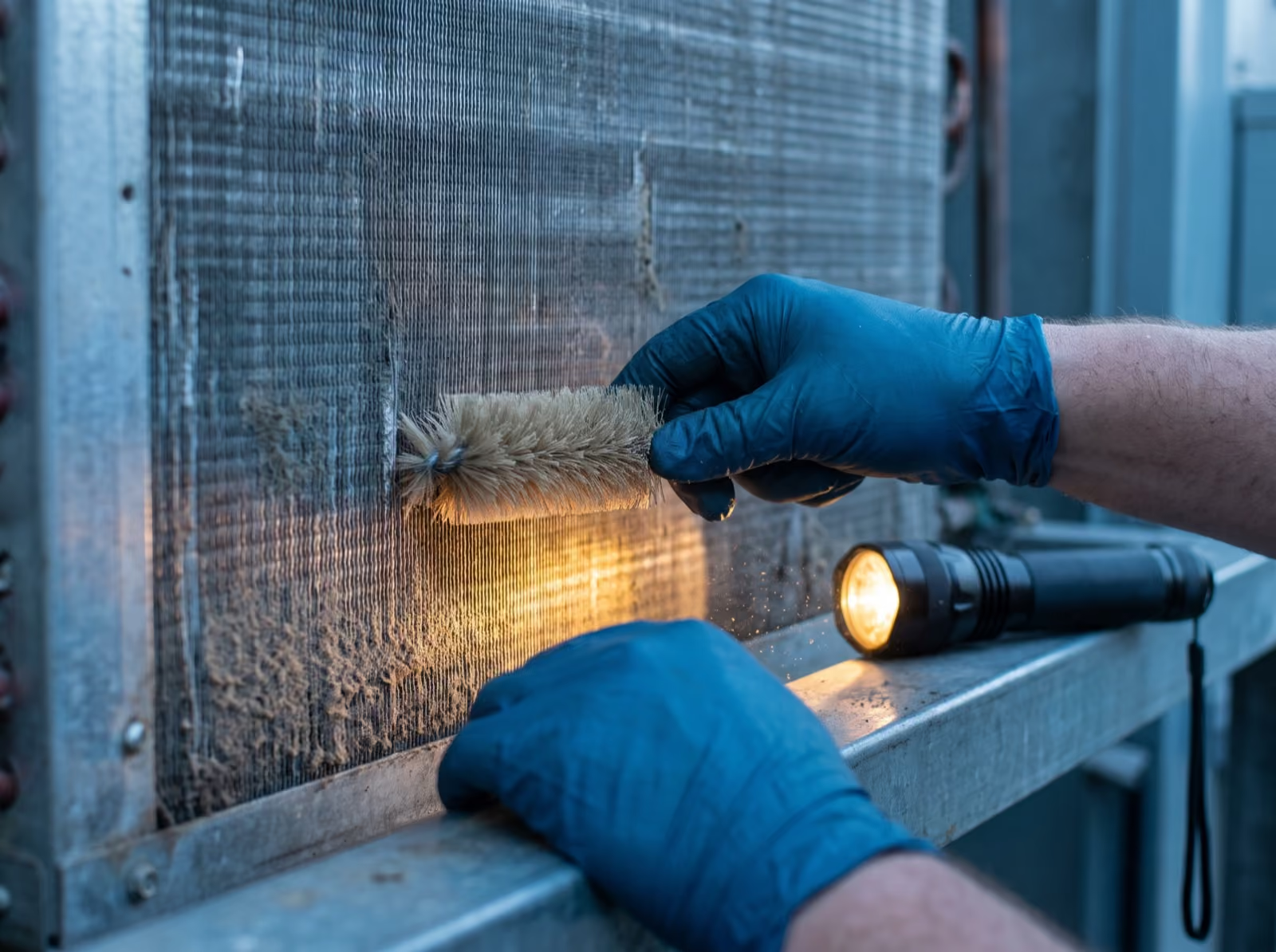
Preventive maintenance means servicing equipment while it still works. Cleaning a condenser coil, descaling an ice machine, changing a belt on the exhaust fan. None of it fixes a breakdown. All of it makes one less likely.
No maintenance prevents every failure. Parts wear out. What it does is stop the early failures: the compressor that dies at five years instead of twelve because its coil was never cleaned.
The same work, on a calendar
Planned maintenance takes the preventive checks and schedules them. Each unit has a list of tasks and a date for each one. The visits happen whether the store is busy or not.
Think of it like a car. Changing the oil is preventive. Changing it every few thousand miles, on a schedule, is planned. The car doesn't stop needing oil just because you were busy.
For a single store, a good manager can keep this in their head. For a group, it has to live on a calendar.
Want the checks on a calendar?
The work that prevents the night call
A good plan for a restaurant names the work for each kind of equipment.
- Refrigeration: Condenser coils cleaned, door gaskets and temperatures checked, drains cleared.
- Ice machines: Descaled and sanitized, filters changed.
- HVAC: Filters, belts and coils checked before summer and before winter.
- Cook line: Controls, burners and gas connections checked on fryers, ovens and griddles.
It should also say how often each one happens and what you get after each visit.
Four questions
- What exactly gets done on each visit, by equipment type? A list, not a promise.
- How often, and for which stores? Some units need quarterly visits and some twice a year.
- What do I get after each visit? A written report of what was checked, what was found and what's wearing out.
- What happens when a visit finds a problem? Is it fixed on the spot, or quoted first?
Compare it to one bad night
One walk-in failure can cost a load of product and a night of sales. A coil cleaning costs a fraction of that. Most failures give warning signs a scheduled visit would catch. The math usually favors the plan, especially across several stores.
More guides for managers
 Free guide
A maintenance calendar for a restaurant group
A daily, monthly, quarterly and yearly maintenance calendar for restaurant groups, plus the plan for when something goes down anyway.
Read the guide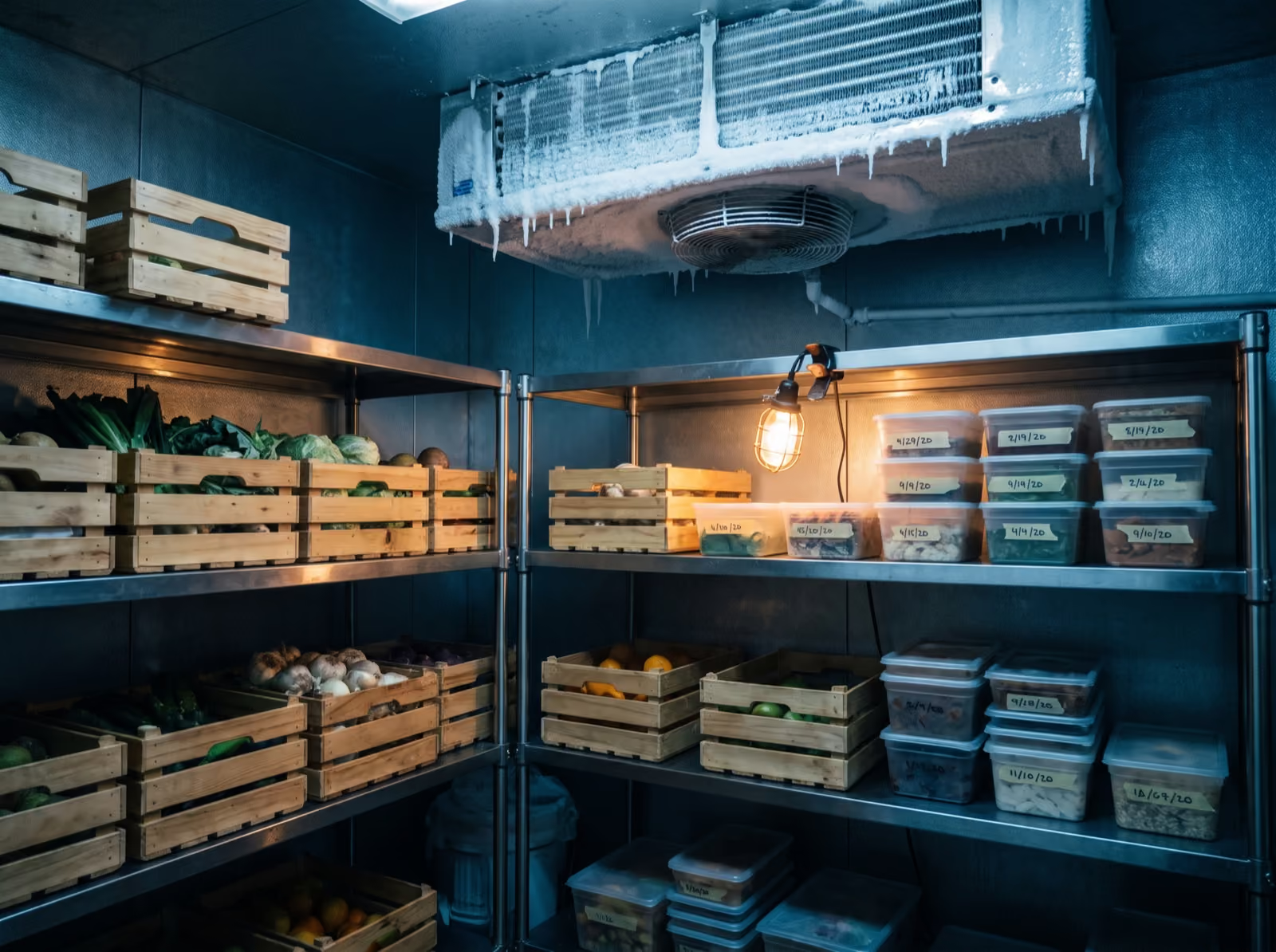 Free guide
The cheapest repair is a clean coil
A dirty condenser coil makes your walk-in run hot and long until the compressor quits. How to spot it, clean it, and how often.
Read the guide
Ready to put maintenance on a calendar? Call us.
A plan for your stores puts the checks on a schedule, so the warning signs get caught before the worst hour.
See planned maintenance for what a visit covers. Call (636) 327-8349 to set up a plan. If something is down now, a technician is on site within four hours for an emergency.