The short answer
Scrape the griddle between orders, clean it at close while it's still warm, and empty the grease trough daily. Deep-clean it weekly and keep it seasoned. Call when it heats unevenly, won't reach temperature, or a burner or element acts up.
Buildup changes how it cooks
Every burger and pancake leaves grease and bits behind. Left alone, they bake into a dark, gummy layer.
That layer causes problems:
- It holds heat unevenly, so food cooks in hot and cold spots.
- It carries old flavors into new orders.
- It smokes, and it can catch fire.
- It hides damage to the plate.
Scrape after every batch
Scrape the surface with a griddle scraper after each batch. Push the waste into the grease trough. A quick scrape now saves a hard scrub tonight.
Keep the trough from overflowing. Hot grease spilling onto the floor is a burn and slip risk.
Warm, not hot
- Turn the griddle down, but keep it warm. Grime comes off a warm plate easier.
- Scrape the whole surface, front to back.
- For stuck-on grime, use a griddle brick or screen. Rub with the grain of the metal, not across it.
- Wipe it down with a squeegee or cloth.
- Empty, wash and dry the grease trough.
- Wipe the outside, the knobs and the backsplash.
Use only the cleaners the manual allows. Some cleaners are fine on steel and ruin chrome.
Griddle cooking in hot and cold spots?
A deep clean and fresh seasoning
Once a week, let the griddle cool all the way. Clean the surface with a mild, non-abrasive cleaner the manual allows, then rinse it well with water.
Then season it. Heat it, spread a thin layer of cooking oil over the whole plate, and let it heat until it stops smoking. Wipe off the extra. Seasoning protects steel plates from rust and keeps food from sticking.
Chrome griddles are different. Most should not be seasoned or scrubbed with a brick. Check the manual.
Three habits
- Pouring cold water on a hot plate. It can warp the plate.
- Banging the edge of the scraper or a spatula into the surface.
- Running it on high all day with nothing on it. It wastes energy and wears the plate.
Signs to watch
- One zone won't get as hot as the others.
- It takes longer to heat than it used to.
- A gas burner won't light, or the pilot keeps going out.
- The plate is warped, cracked or won't hold seasoning.
- It shuts off on its own during service.
More guides for managers
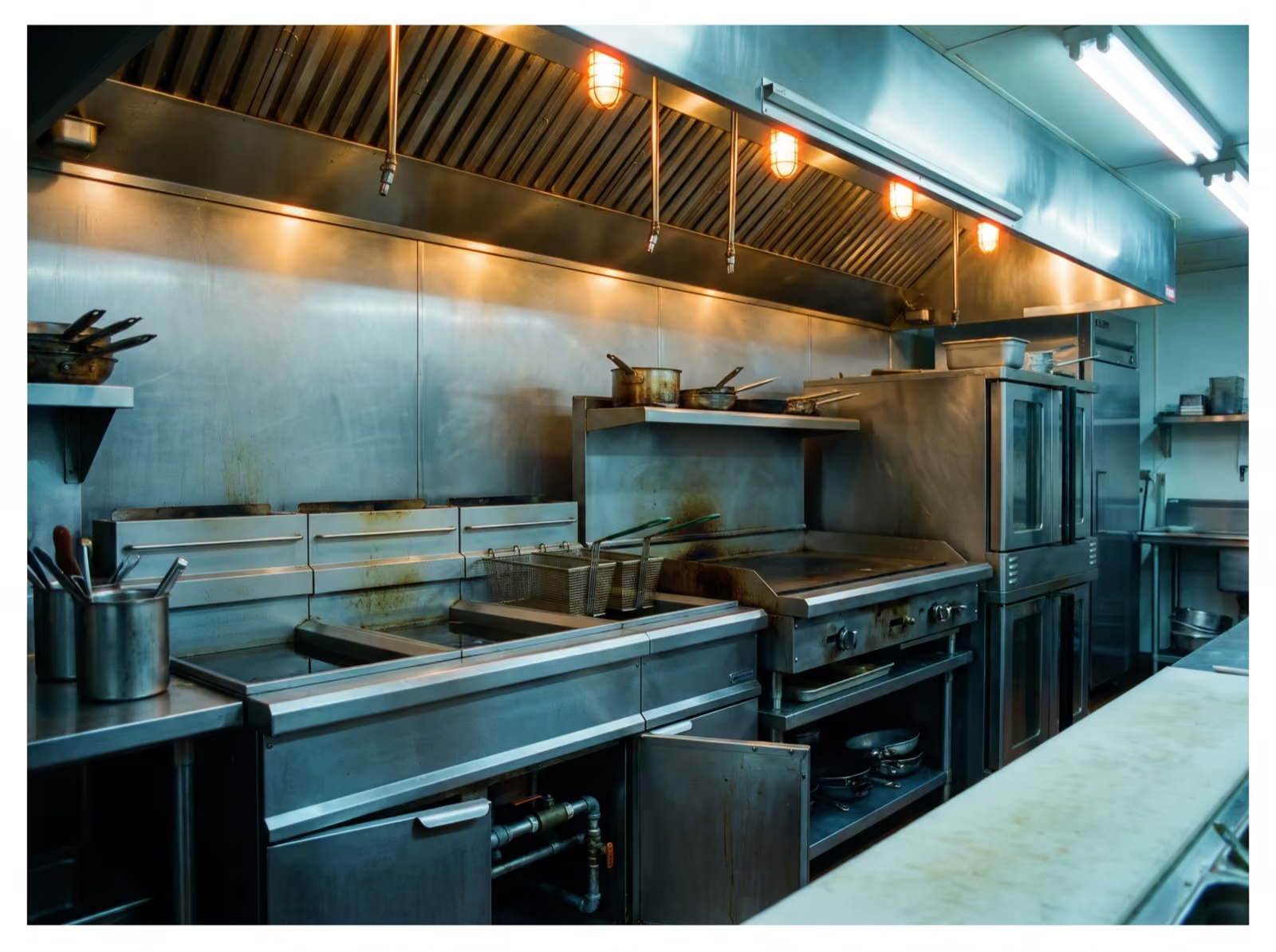 Free guide
Range and burner care: keep the flame blue
Clogged burner ports, lazy yellow flames and pilots that won't stay lit. How to keep a commercial range burning clean, and when it needs a technician.
Read the guide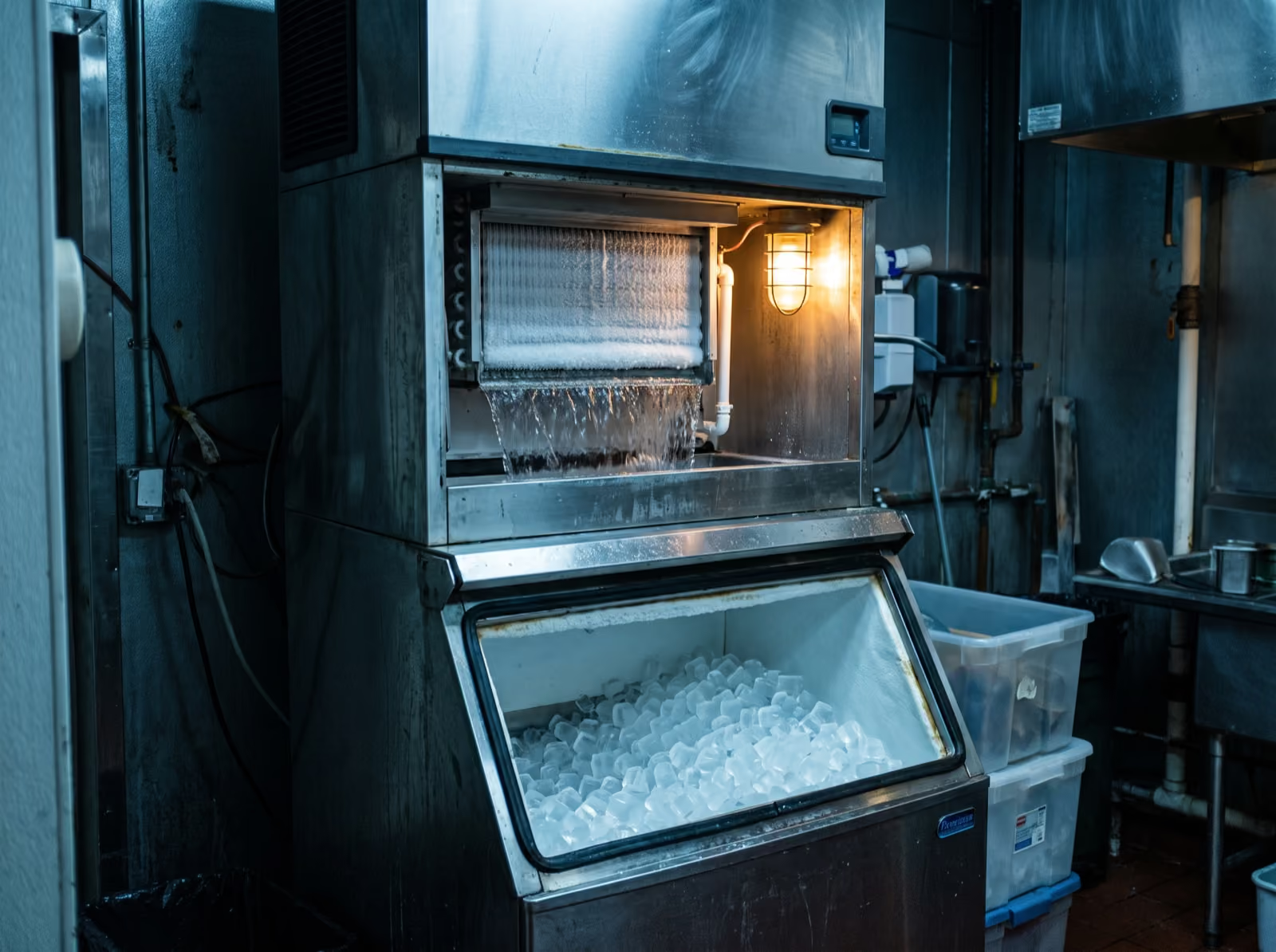 Free guide
Fryer care that prevents a service call
Daily fryer care, oil changes, boil-outs and the signs your commercial fryer needs a technician before it goes down.
Read the guide
Flat-top acting up before the rush? Call us.
A griddle with a dead zone slows every ticket on the line. Most of the time it's a burner, a valve or a thermostat.
See kitchen equipment repair for what we fix. If it's down now, call (636) 327-8349. For an emergency, a technician is on site within four hours. And it stays fixed. 98% of our calls are completed in one trip.