The short answer
Never put water on a grease fire. Turn off the heat if you can do it safely, cover a small pan fire with a metal lid, and use the Class K extinguisher on a cooking-oil fire. If it spreads, pull the hood's fire suppression system, get everyone out and call 911. Prevent fires with clean hoods, safe oil levels and working fryer controls.
It turns into an explosion
Water sinks below hot oil and flashes into steam instantly. The steam throws burning oil into the air and across the kitchen. A pan fire becomes a room fire in a second.
Post this rule where every cook can see it: no water on grease.
In this order
- Turn off the heat at the knob or the gas shut-off, if you can reach it safely.
- Smother a small pan fire by sliding a metal lid or sheet pan over it. Leave it covered until it cools. Don't carry the pan anywhere.
- Use the Class K extinguisher for a fire in a fryer or a larger pan. Commercial kitchens keep one near the cooking line for cooking-oil fires. Follow the directions on its label.
- Pull the suppression system if the fire spreads or reaches the hood. The manual pull station is usually near an exit.
- Get everyone out, close the doors behind you and call 911 from outside.
Don't try to be a hero. If the first move doesn't work, get out.
Fryer running hotter than its setting?
Walk it, don't just read it
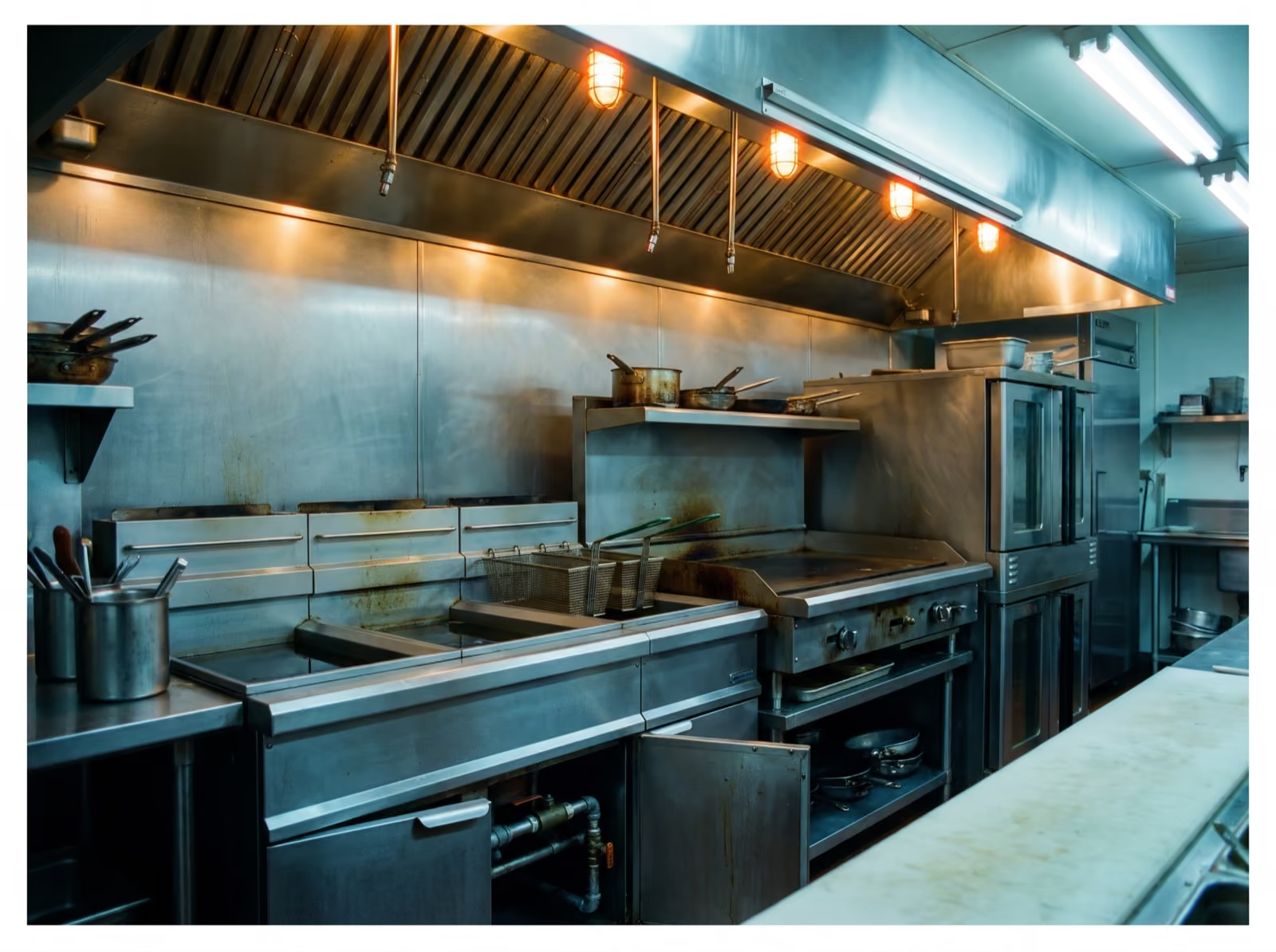
Show every new cook where the Class K extinguisher is, where the pull station is, and where the gas shut-off is. Walk the steps once a quarter with the whole crew. A fire is the wrong time to read a label.
Keep the extinguishers and the suppression system on their inspection schedule with your fire protection company. Check that the tags are current.
Clean, controlled, clear
- Keep the hood clean. Grease in the filters, ducts and fan is fuel. Clean filters on schedule and have the system professionally cleaned at the interval the fire code sets.
- Fill fryers to the line. Overfilled fryers spill over when food goes in.
- Change and filter oil on schedule. Old oil smokes and can ignite at lower temperatures.
- Dry food before frying. Water on food makes oil bubble up and spill.
- Watch the fryer's temperature. Fryers have a high-limit safety control that shuts the heat off if the oil gets too hot. If a fryer runs hotter than its setting, or the high-limit trips, stop using it and call for service.
- Keep it clear. Towels, paper and boxes stay away from burners and fryers.
More guides for managers
 Free guide
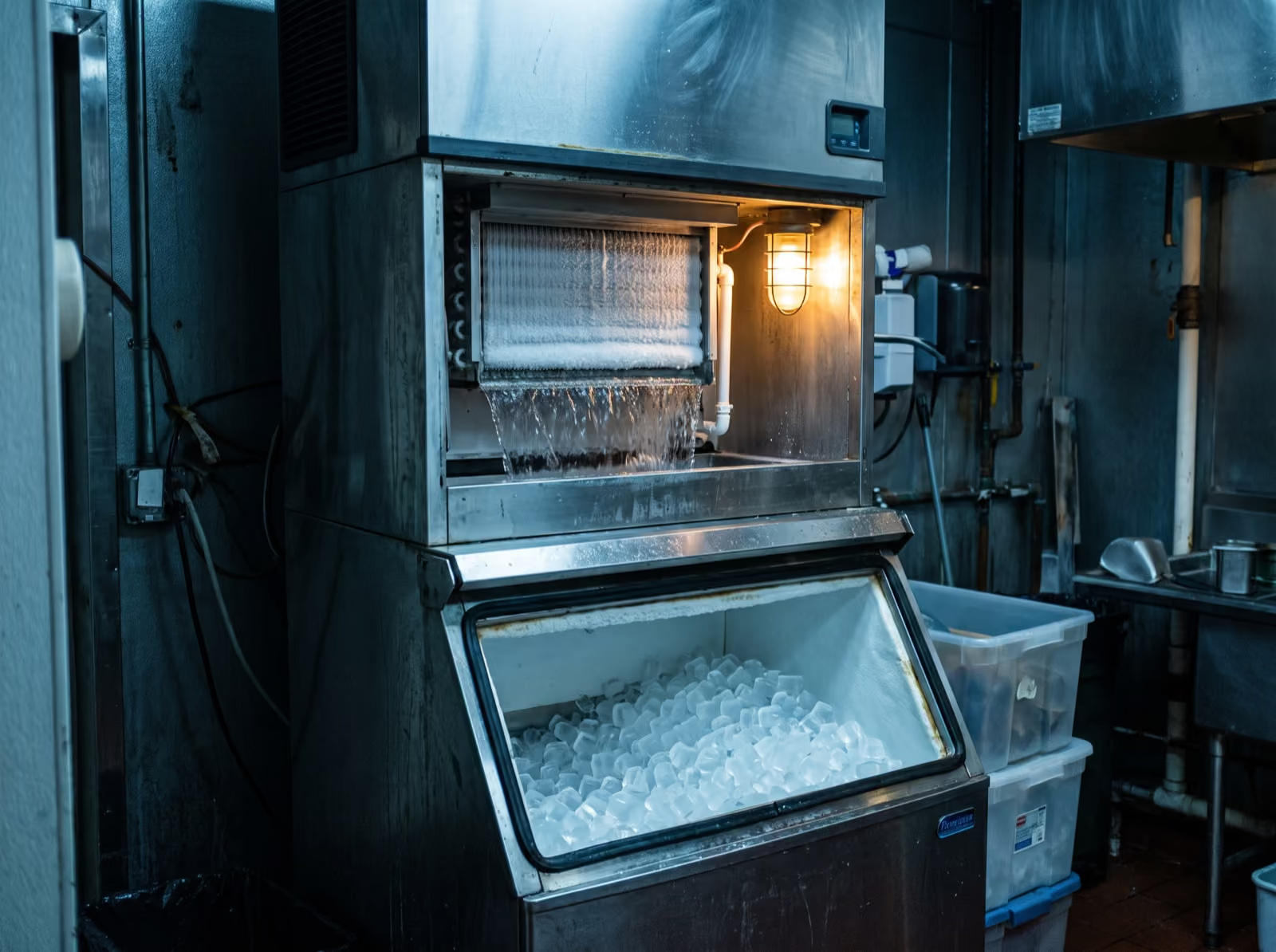
Fryer care that prevents a service call
Daily fryer care, oil changes, boil-outs and the signs your commercial fryer needs a technician before it goes down.
Read the guide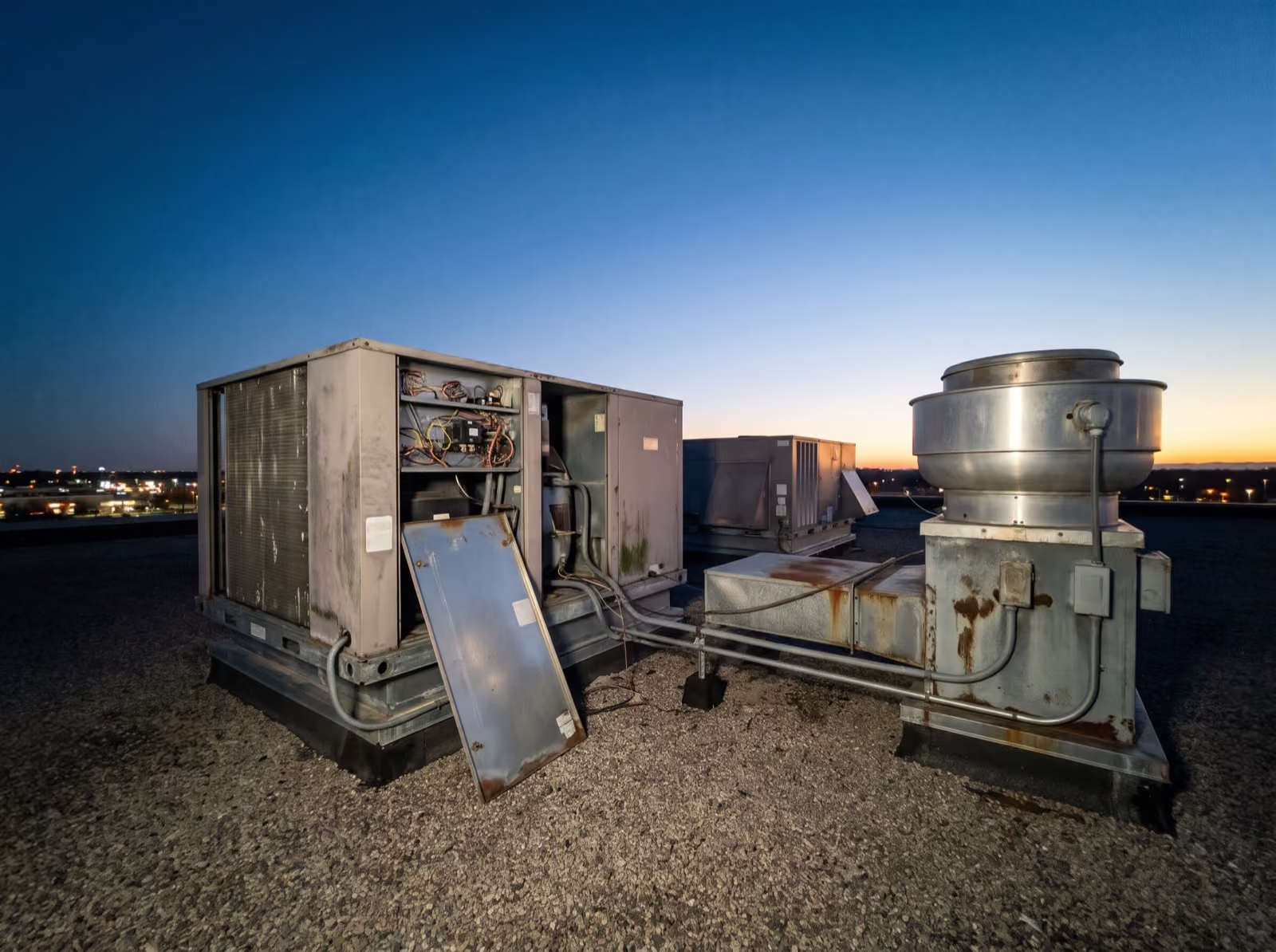 Free guide
How often should a kitchen hood be cleaned?
The fire code sets how often a kitchen exhaust system gets cleaned, from monthly to yearly. Find your interval, and what the crew does between visits.
Read the guide
Fryer controls acting up? Don't wait on this one.
A fryer that overheats or a high-limit that keeps tripping is a fire risk. Take it out of service and call.
See kitchen equipment repair for what we fix. Call (636) 327-8349. For an emergency, a technician is on site within four hours. And it stays fixed. 98% of our calls are completed in one trip.