The short answer
The habits that break equipment most are cleaning with the wrong chemicals, hosing down controls, propping cooler doors, overloading, using a machine for a job it wasn't built for, and ignoring warning signs. Put the right way to use and clean each machine on your training list, and make it easy for the crew to report a problem.
Six to train out
1. Harsh chemicals on everything. Degreaser seems faster, but many surfaces, gaskets and controls aren't made for it. It dries out door seals and eats finishes. Use what the manual allows, often warm water and mild soap.
2. Hosing down equipment. Water in a control panel, a motor or an outlet causes shorts and trips. Only hose down equipment that's built for it. Wipe the rest.
3. Propping or leaving cooler doors open. Every open minute lets warm, wet air in. The unit runs longer, ice builds on the coil, and the compressor wears out early.
4. Overloading. Packing a reach-in so tight air can't move. Dropping frozen baskets into a fryer that's past its load. Stacking pans on a steam table lid. Each one makes the machine work harder than it should.
5. Using a machine for the wrong job. Reheating cold food in a steam table. Storing hot food in a reach-in before it's cooled. Using a griddle as a heat lamp. The machine wasn't built for it, so it struggles.
6. Ignoring the warning signs. A new noise, a slower heat-up, a light that comes on. Crews often work around them for weeks. Small problems get bigger the longer they run.
Already seeing a warning sign?
Misuse isn't covered
Most equipment warranties cover defects, not damage from misuse, abuse or skipped cleaning. If a technician finds the failure came from a habit, the repair may be on you. Following the manual protects the warranty.
Short, posted and repeated
- One card per machine. Post a short card on each piece of equipment: how to clean it, what not to use, and who to tell when something's off.
- Show, don't just tell. Walk new hires through each station in their first week.
- Make reporting easy. Keep a log or a group text where anyone can report a noise or a slow heat-up. Thank people who use it.
- Check the closing list. Most damage happens at close, when the crew is tired and rushing. Spot-check it.
Gas hoses and casters
Many cook-line units sit on casters with a flexible gas hose. Moving them for cleaning is normal. Pulling them too far, or without shutting the gas first, strains the hose and the connection. Use the restraint cable, turn off the gas when the manual says to, and push the unit back where it belongs.
More guides for managers
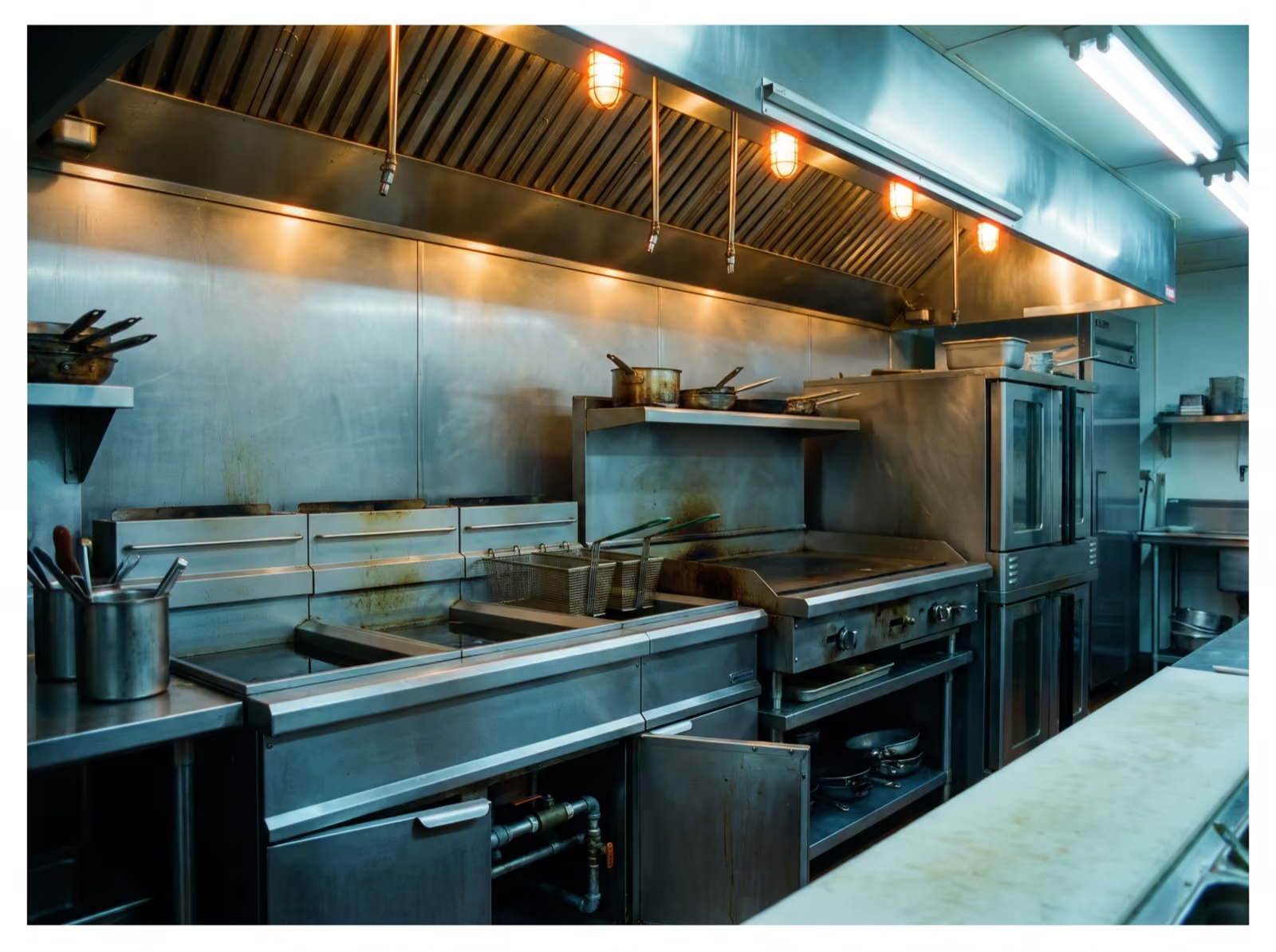 Free guide
Commercial oven care that keeps it baking even
Daily and weekly care for convection, deck and combi ovens: the cleaning, door and temperature checks that prevent hot spots and a dead oven.
Read the guide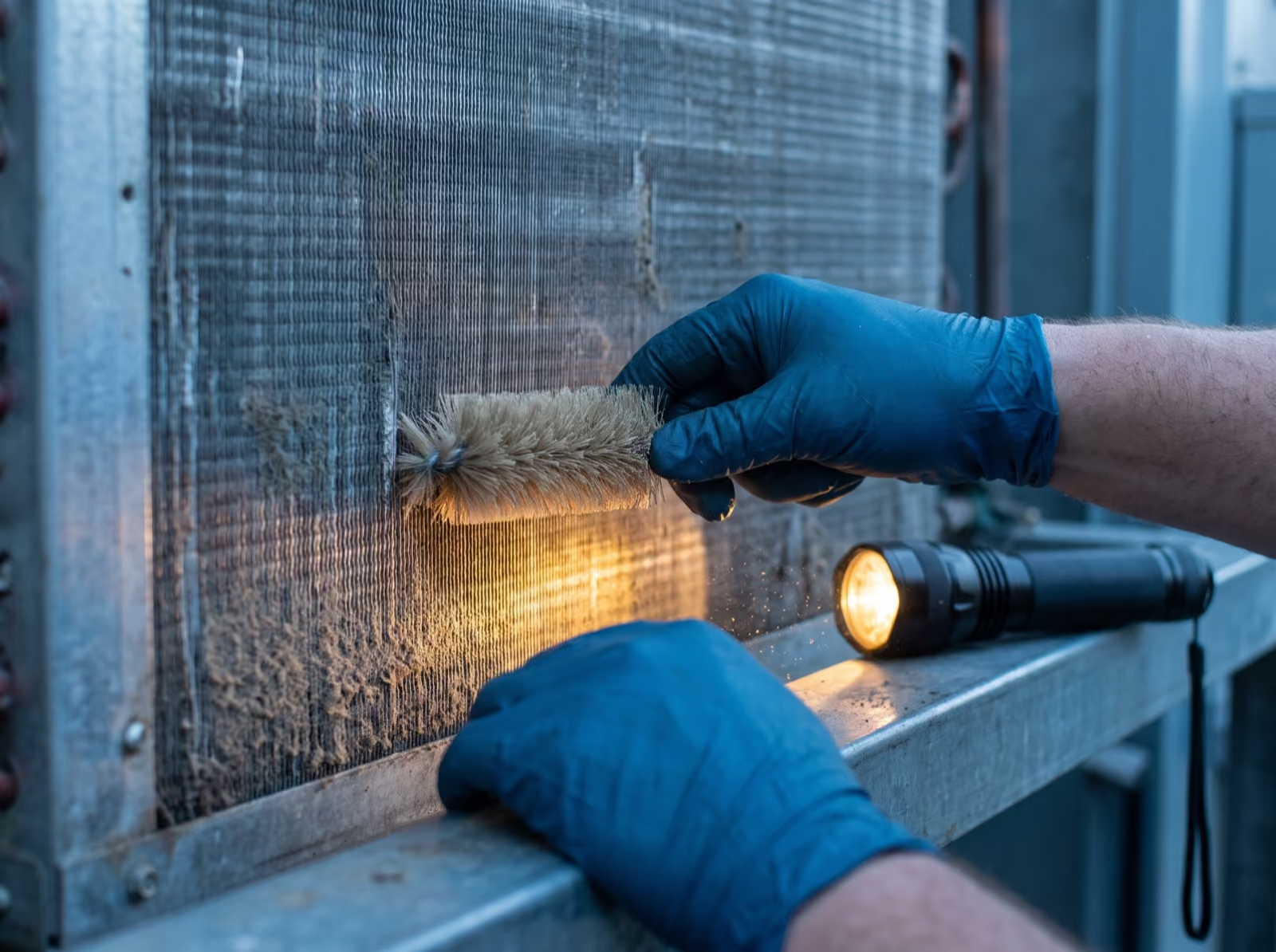 Free guide
Why the GFCI outlet keeps tripping in your kitchen
A GFCI outlet that keeps cutting power to a cooler or warmer is warning you about a leak of current. What it means, what to check and who to call.
Read the guide
Habit already did some damage? Call us.
If a machine took a hit from water, chemicals or overloading, get it checked before it fails during service.
See kitchen equipment repair for what we fix. If something is down now, call (636) 327-8349. For an emergency, a technician is on site within four hours. And it stays fixed. 98% of our calls are completed in one trip.