The short answer
Equipment uses the most power when it's dirty, leaking or left on. Clean condenser coils, replace worn door gaskets, change HVAC filters, keep hood and refrigeration fans running right, and turn equipment off or down when it isn't needed. Choose ENERGY STAR models when you replace.
Equipment working too hard
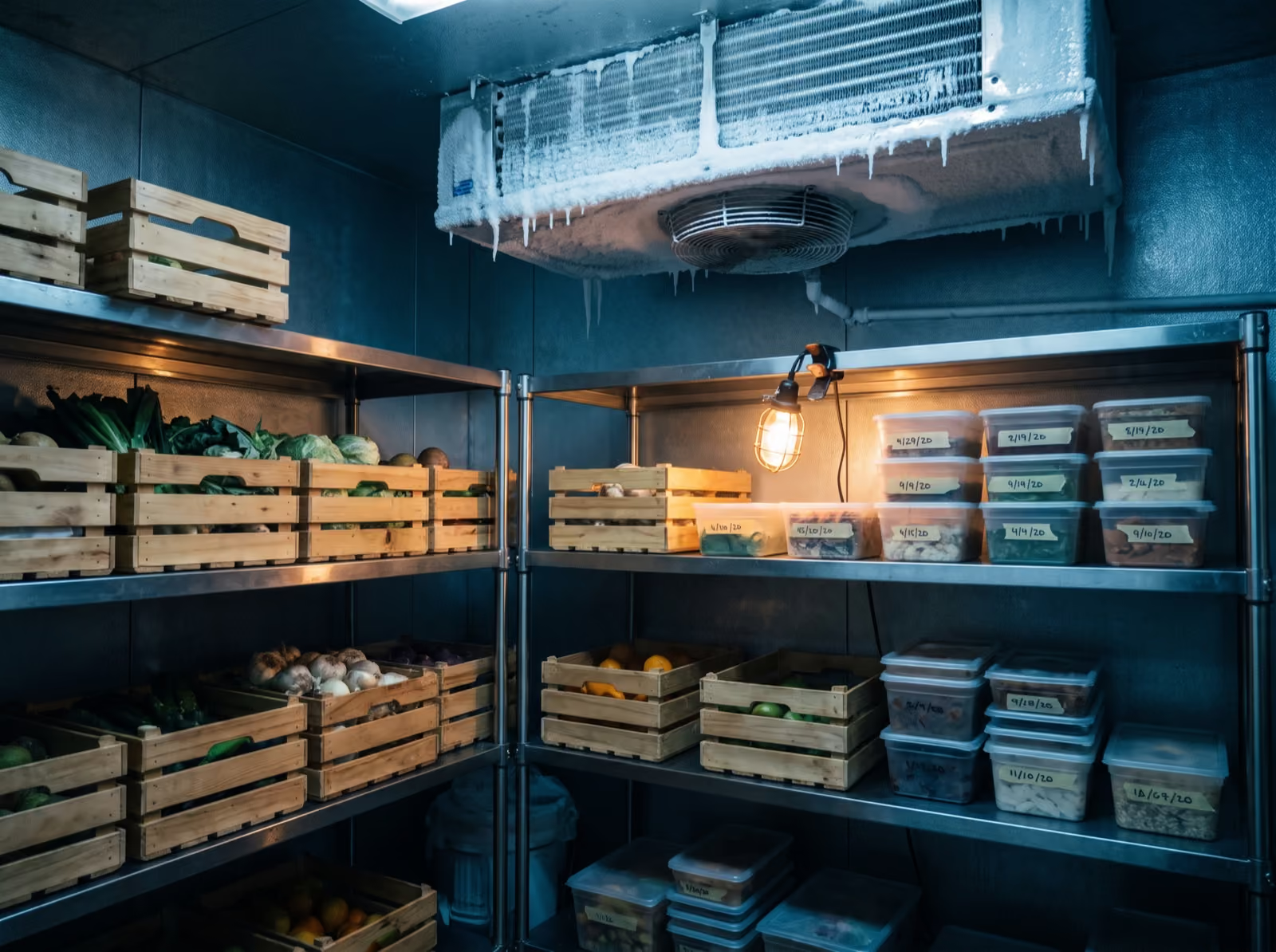
Refrigeration. A dirty condenser coil or a torn gasket makes the compressor run longer. Coolers run all day and night, so small waste adds up fast.
HVAC. A clogged filter or a dirty coil makes the rooftop unit run longer to cool the same space. A kitchen hood pulling more air than it needs makes the HVAC heat or cool all that replacement air.
Cooking equipment. Ovens, fryers and griddles left on high with nothing on them. Burners that burn yellow waste gas.
Hot water. Leaky faucets and pre-rinse sprayers waste both water and the energy to heat it.
Six jobs
- Clean condenser coils on every cooler, freezer and ice machine on a schedule.
- Replace torn or flat door gaskets. Use the dollar-bill test: close the door on a bill and pull. No drag means a weak seal.
- Change HVAC filters on schedule, often monthly in a restaurant.
- Check belts and fans on rooftop units and exhaust fans. A slipping belt wastes power and moves less air.
- Clean burner ports so gas burns blue.
- Fix leaks at faucets, sprayers and steam lines.
Want the energy checks on a schedule?
Free changes
- Turn it on when you need it. Make a start-up schedule. Not every fryer and oven needs to be on at open.
- Turn it down between rushes. Many fryers and griddles have a standby or idle setting.
- Keep cooler doors closed. Every open minute lets heat in.
- Load full. Run dish machines with full racks.
- Set the thermostat on a schedule. Don't heat or cool an empty dining room overnight.
- Use lights only where needed. Storage rooms and offices don't need lights on all day.
Look at the rating
When a unit needs replacing, compare the energy use of the models you're looking at. ENERGY STAR models are tested to use less energy than standard ones. Some utilities offer rebates on qualified commercial equipment. Ask yours before you buy.
Watch the bill
Compare each store's power and gas bills month over month, and against the same month last year. A store whose bill jumps with nothing else changed often has a unit working too hard. Start with the walk-in and the rooftop unit.
More guides for managers
 Free guide
The cheapest repair is a clean coil
A dirty condenser coil makes your walk-in run hot and long until the compressor quits. How to spot it, clean it, and how often.
Read the guide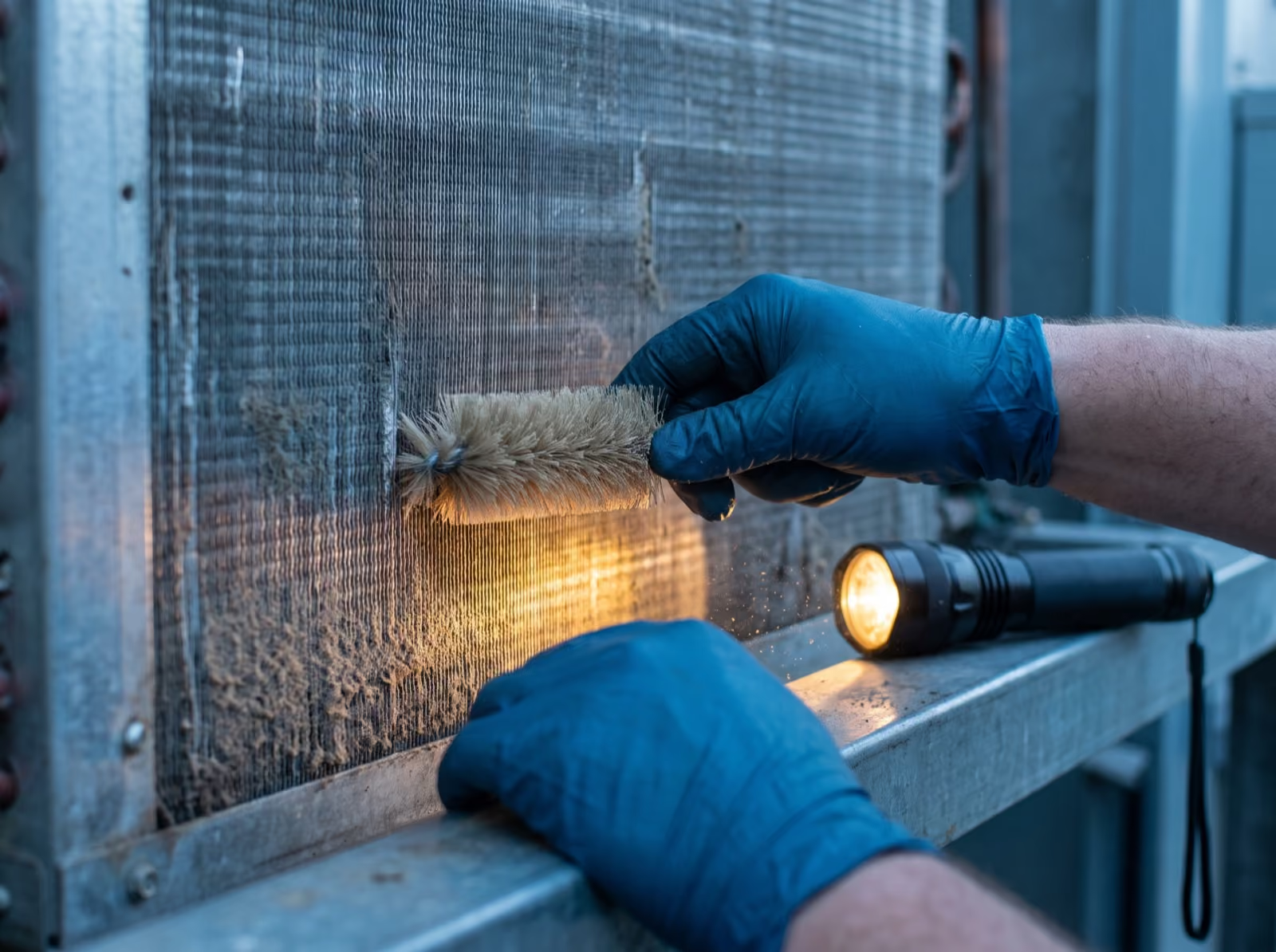 Free guide
Six habits that make a reach-in last
Airflow, clean coils, tight gaskets, a closed door, a level cabinet and a real temperature log: six habits that add years to restaurant refrigeration.
Read the guide
Power bill jumped with nothing else changed? Call us.
A sudden jump in the bill is often a unit that's about to fail. Find it before it goes down.
See planned maintenance for what a visit covers. Call (636) 327-8349. For an emergency, a technician is on site within four hours. And it stays fixed. 98% of our calls are completed in one trip.