The short answer
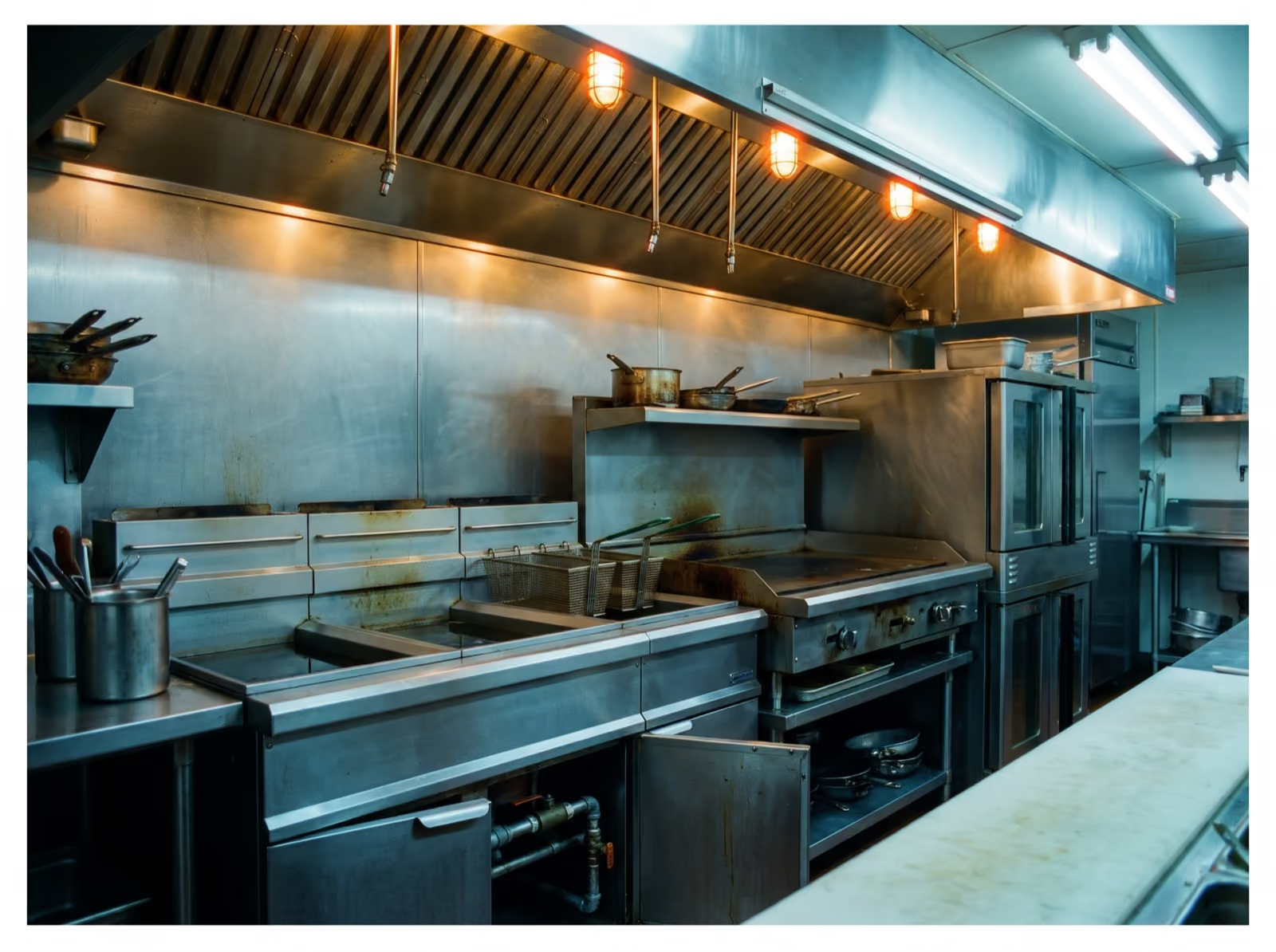
Most kitchen breakdowns come from a short list: skipped maintenance, dirty coils and burners, worn parts left in, hard water scale, rough use, and power or gas problems. A manager controls most of that list with cleaning, a schedule and a quick call when something changes.
Six causes
1. Maintenance that never happens. Coil cleaning, descaling and checkups slip when the store is busy. They get skipped the longest in the busy season, when the equipment works hardest.
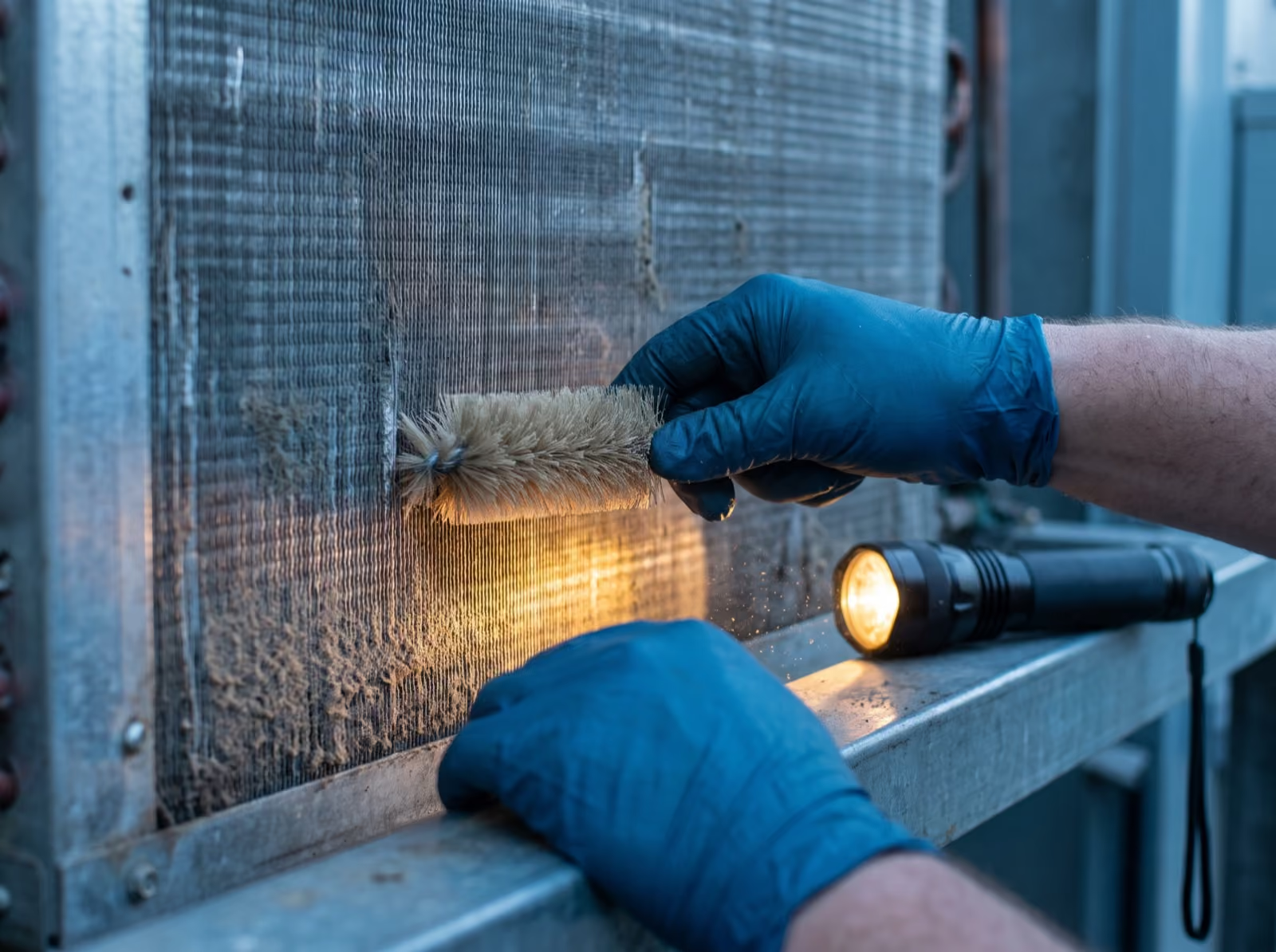
2. Dirt and grease where heat moves. Condenser coils, burner ports, fans and filters all move heat or air. When they're coated, the machine runs hotter and longer, and parts wear out sooner.
3. Worn parts left in. A technician says a gasket, a belt or a contactor is wearing out. It still works, so it waits. It fails at the worst hour. Replacing it on a slow day is choosing when the breakdown happens.
4. Hard water. Scale builds in ice machines, steamers, combi ovens and coffee equipment. It clogs valves and burns out heating elements.
5. Rough or wrong use. Slammed doors, hosed-down controls, harsh cleaners and overloading. Each one adds wear the machine wasn't built for.
6. Power and gas problems. Low gas pressure, loose connections and overloaded circuits make equipment act up. Sometimes the equipment is fine and the supply isn't.
Something already acting up?
Most of them
You control cleaning, habits and how fast problems get reported. You control whether maintenance is on the calendar. You decide whether a worn part gets replaced now or later.
Set it up so the store runs it, not the manager's memory:
- A daily and weekly cleaning list for each station, with names on it.
- A maintenance schedule for coils, descaling and checkups, booked ahead.
- A simple way for the crew to report a noise, a smell or a slow heat-up.
- A repair log for each unit, so patterns show up.
The inside of the machine
Refrigerant, gas valves, electrical controls and anything behind a panel belong to a technician. So does any problem that comes back after cleaning. Don't let the crew take covers off to fix things. That's how a small repair turns into a big one, or someone gets hurt.
Listen and watch
- A new noise: squealing, grinding, buzzing or clicking.
- A machine that takes longer to heat up or cool down.
- Temperatures that drift on the log.
- Water, ice or grease where it shouldn't be.
- A breaker or GFCI that trips.
- A smell of gas or burning.
Call when you see one. The early call is the cheap one.
More guides for managers
 Free guide
Equipment habits that cause repairs
Harsh cleaners, propped doors, hosed-down controls and warning lights ignored. The everyday habits that break kitchen equipment, for your training list.
Read the guide Free guide
A maintenance calendar for a restaurant group
A daily, monthly, quarterly and yearly maintenance calendar for restaurant groups, plus the plan for when something goes down anyway.
Read the guide
Seeing an early sign? Call before it breaks.
A machine giving a warning is easier to fix than a machine that already quit.
See kitchen equipment repair for what we fix. If something is down now, call (636) 327-8349. For an emergency, a technician is on site within four hours. And it stays fixed. 98% of our calls are completed in one trip.