The short answer
Bar refrigeration fails from blocked air, dirty coils, worn gaskets and spills. Keep the front grilles clear, clean the condenser on a schedule, check door seals and hinges, and wipe up spills before they reach the coil. Check the temperatures before every shift, the same as the kitchen.
Tight, hot and wet
Under-counter units pull air in and push it out through a grille, usually at the front. Behind the bar, that grille sits right at shoe level. It gets blocked by mats, cases and bags.
The air behind the bar is often warm. Lights, dishwashers, ice machines and a packed room all add heat. The cooler has to work harder to hold its temperature.
Then there's the liquid. Spilled soda, beer and syrup get into grilles and coils, where they trap dust and turn sticky.
A short list for every shift
- Read the temperature on each unit at open and close. Write it down.
- Keep the grilles clear. Nothing stacked in front of them, no mats pushed up against them.
- Close the doors all the way. Lids and doors on bar units get left cracked during a rush.
- Wipe up spills on and around the units before they dry.
- Don't overload. Bottles packed tight against the back wall block the cold air inside.
Coils, gaskets and hinges
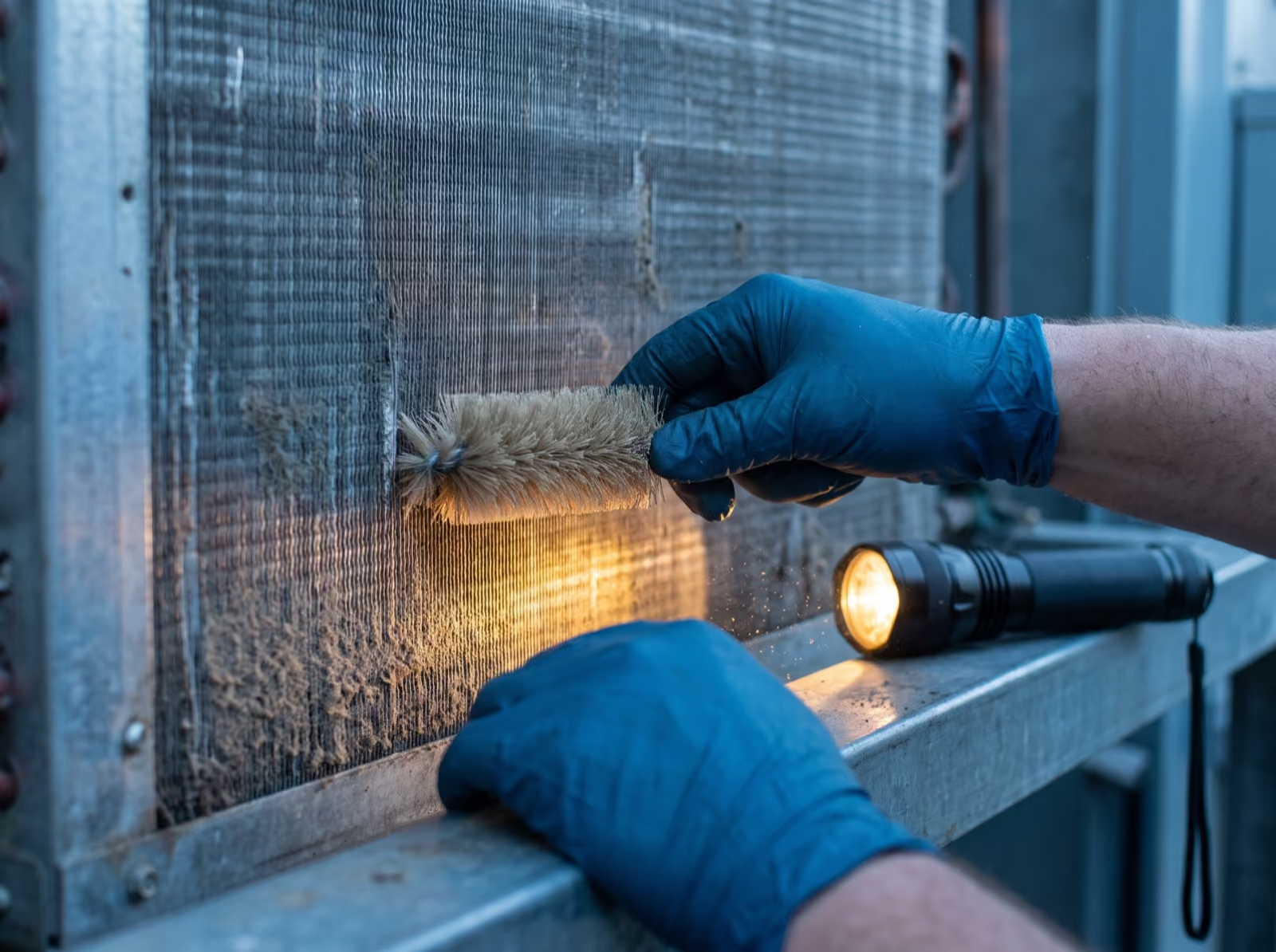
Condenser coils. Bar coils get dirty fast because of the dust and sticky air. Brush the front grille and coil monthly with the power off. Have them cleaned deep on a schedule.
Door gaskets. Check every gasket for tears and gaps. Bar doors get slammed and kicked, so hinges and gaskets wear out faster than in the kitchen.
Drain lines. Many bar units drain to a pan or a floor drain. A clogged drain means water under the unit, and that means a slip.
Each has its own job
Keg coolers need to stay steady near 38°F. A warm keg box pours foam, and foam is beer down the drain.
Glass and mug chillers run colder than a normal cooler. Frost builds on the walls with every door opening. If yours needs manual defrosting, do it on a schedule, before the frost blocks the air.
Bottle coolers with deep wells can get warm at the bottom when stock is piled high. Rotate cold stock to the top before service.
Before the weekend rush
Call when a unit runs warm, frosts over, leaks water, or makes a new noise. Bar coolers tend to fail on the busiest nights, because that's when they work the hardest. A Tuesday visit is cheaper than a Saturday night spent icing beer in a sink.
More guides for managers
 Free guide
How often to clean your beer lines
Dirty draft lines turn good beer sour and foamy. How often to clean them, what builds up inside, and what the keg cooler has to do.
Read the guide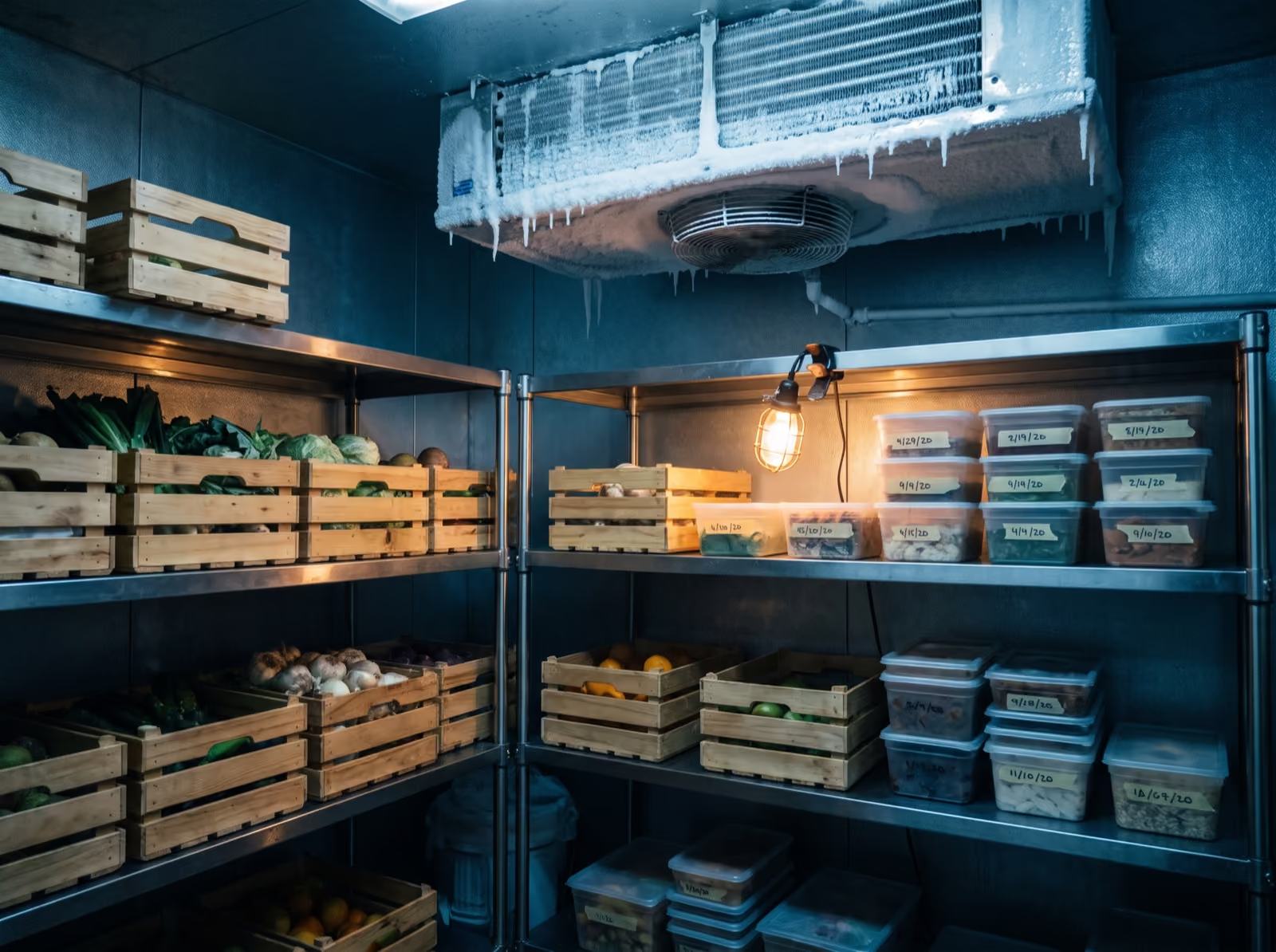 Free guide
Six habits that make a reach-in last
Airflow, clean coils, tight gaskets, a closed door, a level cabinet and a real temperature log: six habits that add years to restaurant refrigeration.
Read the guide
Bar cooler warm before a big night? Call now.
A warm back-bar cooler is a small repair on a slow day. On a packed night, it's lost sales.
See refrigeration repair for what we fix. Call (636) 327-8349. For an emergency, a technician is on site within four hours. And it stays fixed. 98% of our calls are completed in one trip.